Software Engineer
Samuel . E . Zih
I build the infrastructure I grew up without.
I build because I grew up somewhere that couldn't afford not to need building. Where I'm from, you don't choose between options — you make sure the necessities are covered, and everything past that is luck. That changes how you see a problem: you stop asking whether it's interesting and start asking whether it's load-bearing.
TAP TO VIEW · 1/3
- 51
- Crisis categories detected
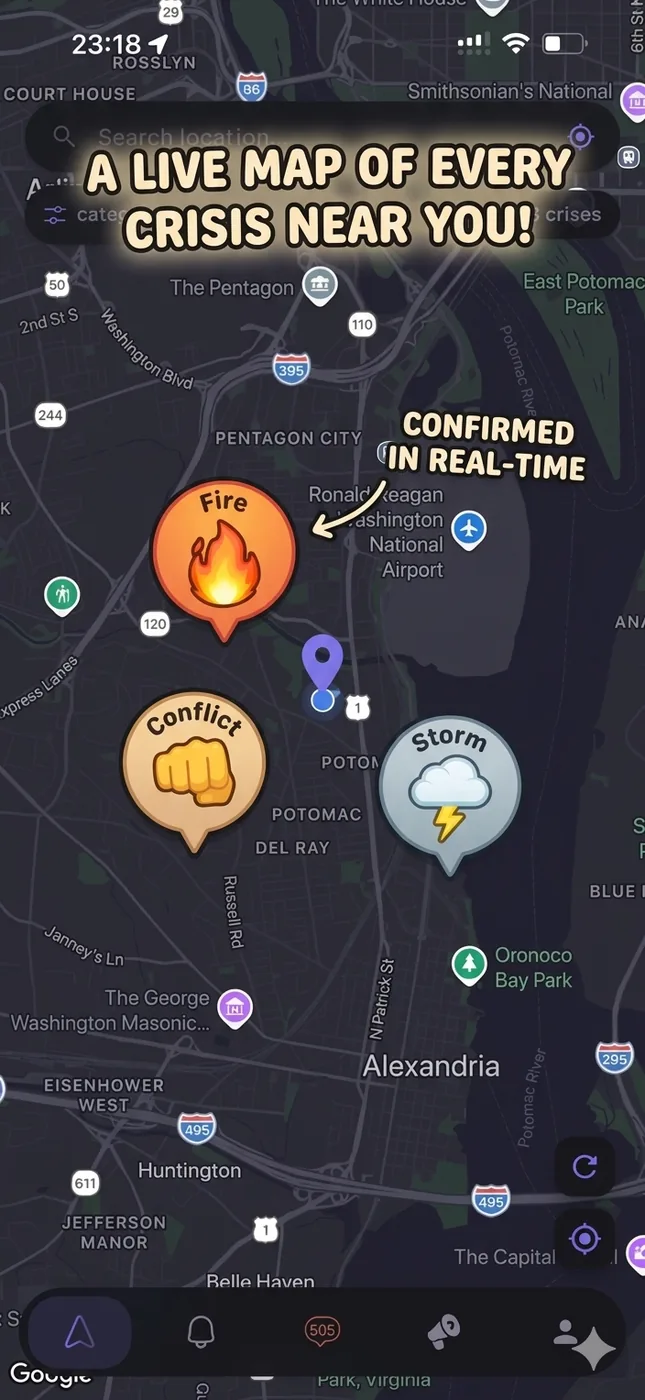
- CrisisEcho, across 8 live data sources on a 60-second cycle — with zero false positives over 53 test scenarios.
- 2
- Operators live on Zoomaa
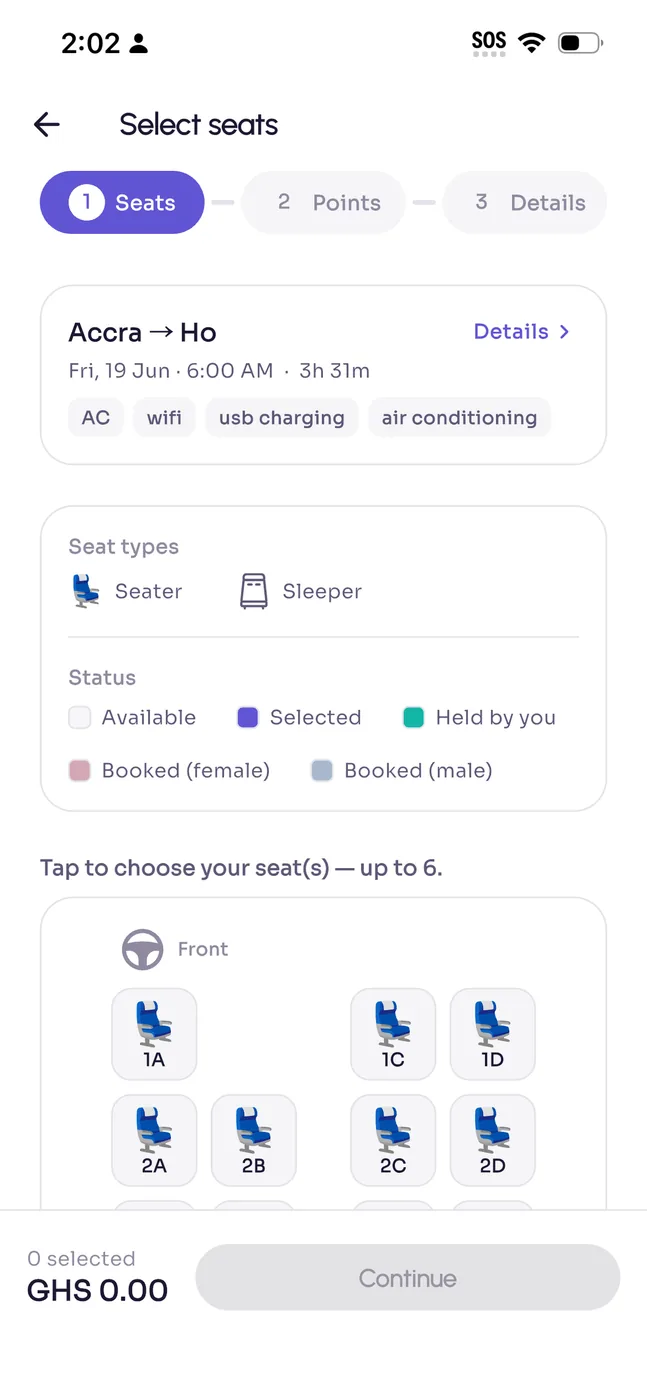
- First intercity bus operators — VIP and STC — running their ticketing and fleet operations through Zoomaa Partner.
- 4
- Apps live in production
- Zoomaa, Zoomaa Partner and MigoMap on the App Store; AuraGo on Google Play.
- 20,000+
- MigoMap users
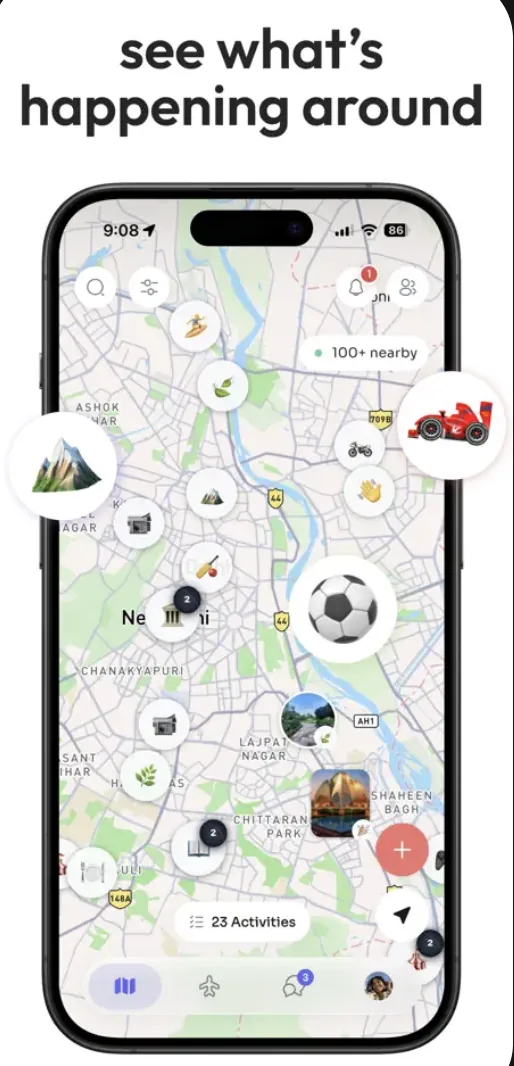
- Zero to 20K in the first six months — organic growth, no paid acquisition.
Selected work
Highlighted projects

About
Software is the craft that let me close that gap instead of just naming it. Zoomaa runs bus operators' businesses from a phone. CrisisEcho put six verification gates between a crisis post and a map, because someone reading it might be deciding whether to get their family out of a building. MigoMap turns a map into a way to actually meet people. Different shapes, same root: find where the infrastructure is missing, and build the thing that has to hold weight. I care about the parts that don't demo well — what happens when the network is gone, when a model is confident and wrong. Getting those right is most of the work. Cut AuraGo (four products in a short bio starts to read as a list) and trimmed the closing "ordinary" line — it was doing real work but the bio can afford to lose it more than the load-bearing line can; the Story page's "Necessity" section still carries it in full.
Connect
Get in touch
Tap any link to copy it.